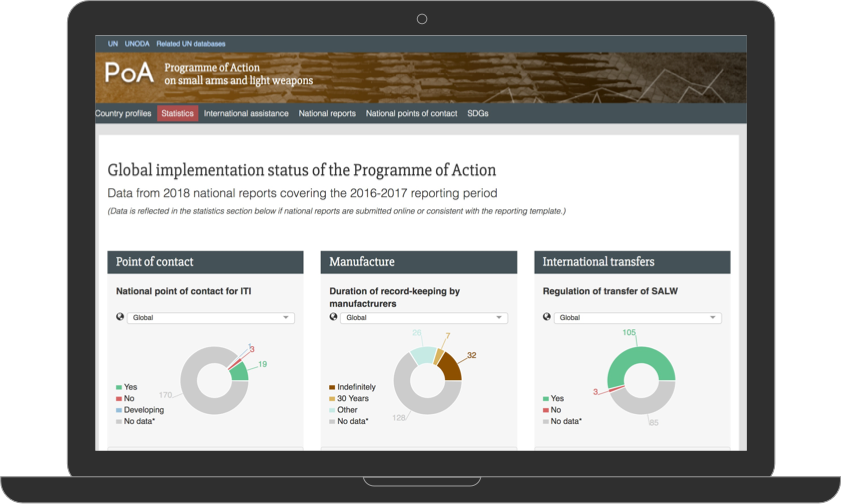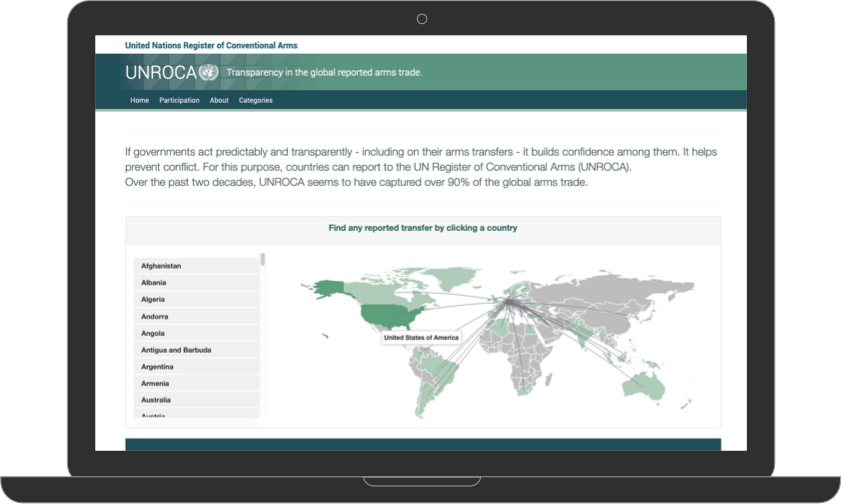
During 2015-2017 I worked as a software developer and IT consultant for the United Nations Office for Disarmament Affairs (UNODA). As a fullstack developer (focus on frontend and datavisualisation) I worked on two data-heavy web platforms. One of them was the United Nations Register of Conventional Arms (UNROCA).
Working at the UN headquarters in NYC
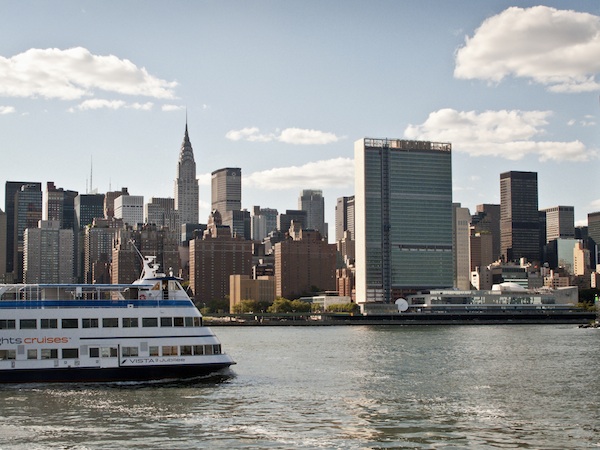
During the first phase of the project (July - December 2015), I was working directly from the Headquarters of the United Nations in New York. My work place was on the 31st floor of the iconic Manhattan building with a view on the Hudson river. I collaborated closely with the stakeholders from the Office for Disarmament Affairs (UNODA). In the subsequent stage (during 2016), I was working remotely from Germany.
What is UNROCA?
According to the Stockholm International Peace Resarch Institute (SIPRI), UNROCA is „the key international mechanism of official transparency on arms transfers“. UNROCA was established by a General Assembly resolution in 1991 and is since managed by the United Nations Office for Disarmament Affairs (UNODA) based at the Headquarters in New York. The term „conventional arms“ refers to weapons that are not weapons of mass destruction.
The task
The project consisted of 3 parts:
- the development of a web application to be used by the member states to submit reports
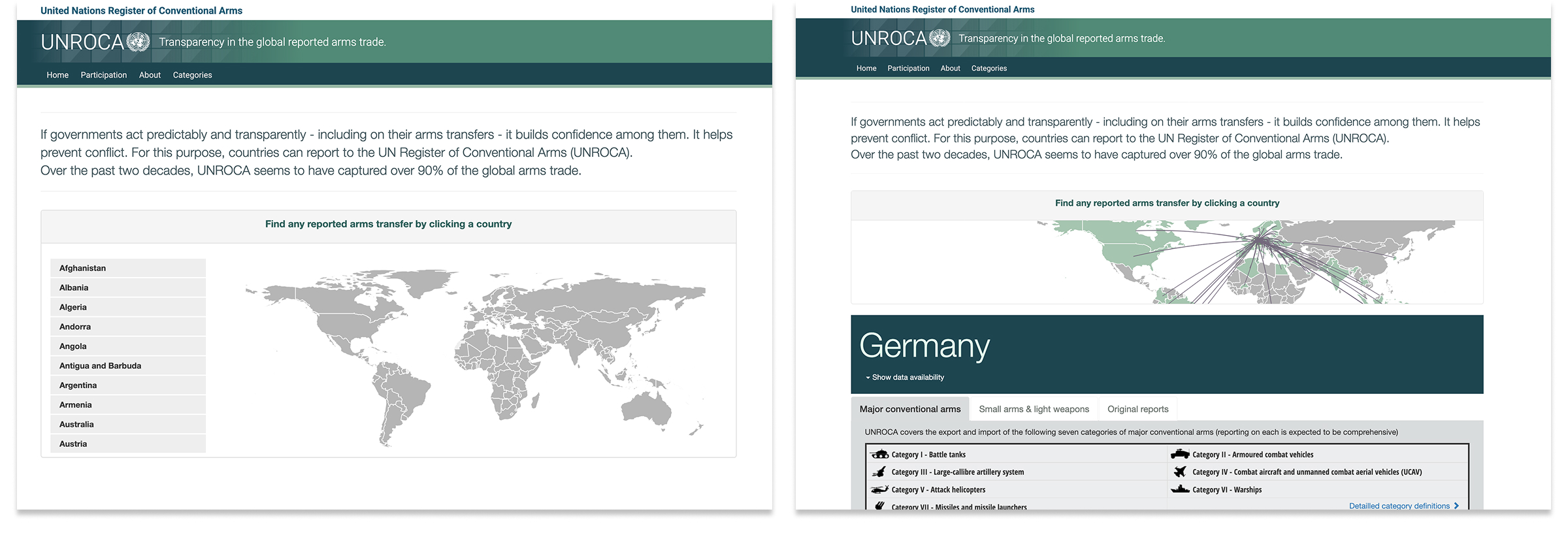
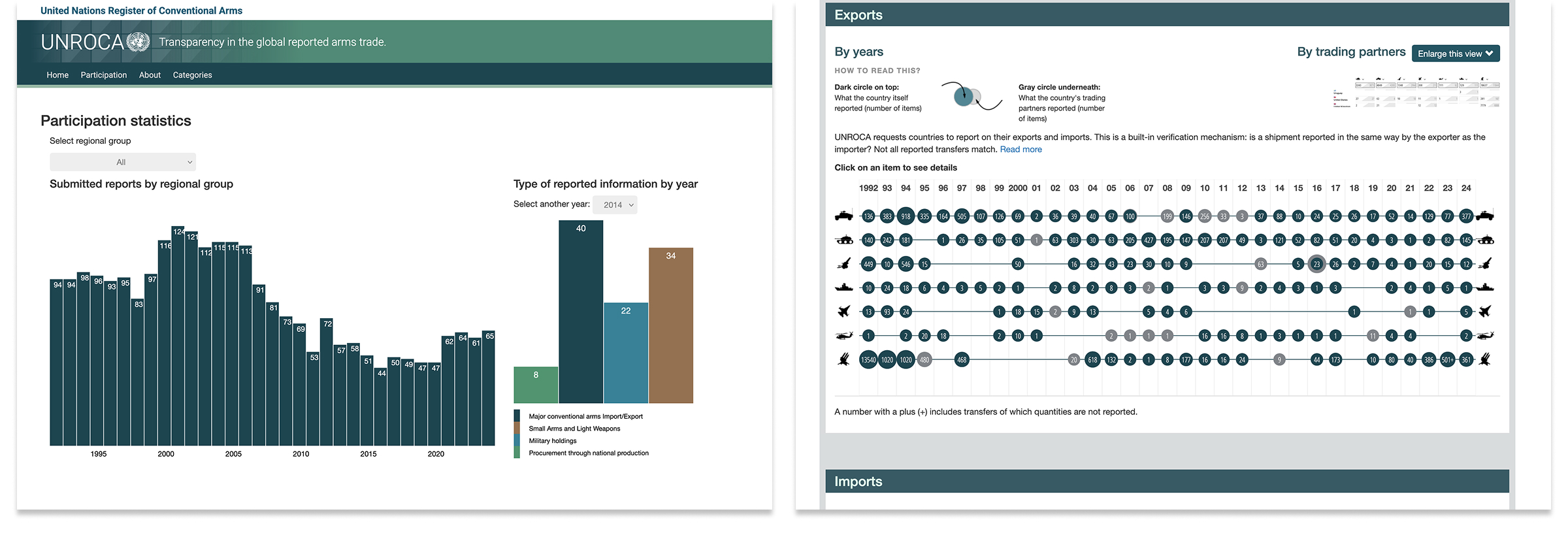
- the development of a public website with compelling data visualisations to make the data submitted by member states accessible and transparent
- the migration of existing data (24 years of reporting)
This entailed the following tasks:
- Rebuild the existing platform from the ground up using a modern technology stack (Frontend & Backend)
- Develop a new information architecture that reflects the current focus of the programme
- Create a new (corporate) design
- Data visualisation: Visualize the wealth of collected data in a more user-friendly way
What I did
For this project I was tasked with quite an array of tasks ranging from technical development to design:
- Coordinated project phases and deliverables
- Communicated and listened carefully to the stakeholders while collecting requirements
- Conducted a content audit with the stakeholders
- Developed a new information architecture
- Designed the pages and developed a new corporate design
- Architected and implemented the Frontend with Angular.js, D3 and Bootstrap
- Defined the requirements for the Frontend-facing API in close collaboration with the other Backend developer
- Developed the Backend with Python & Django
My team members (database, project management, etc.) were highly international: Japan, US, Macedonia, Netherlands, Germany.
Giving presentations and trainings
- I presented the final application at the UN headquarters in Geneva to a group of governmental experts (GGE) with a live demo and a subsequent Q&A
- I trained UNODA staff members on how to use the CMS of the new platform
Data visualisation
For me personally, the datavisualisation part was the most exciting:
- Conceived and implemented a new data visualization strategy for international arms trade
- Presented and introduced the stakeholders to contemporary forms data visualization
- Created data visualization prototypes on paper and as vector graphics in Sketch
- Developed the data visualizations with Angular & D3
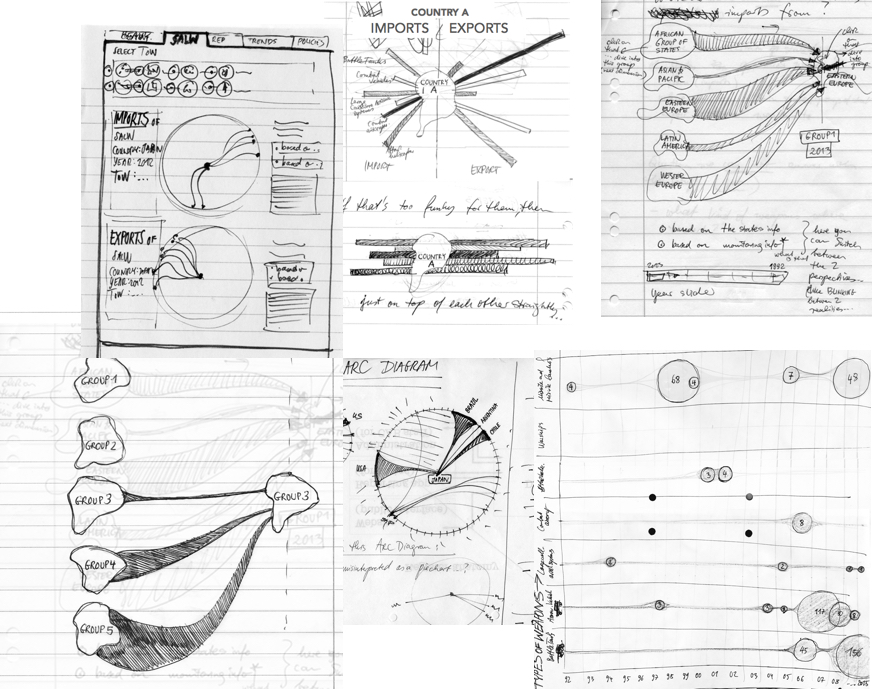
Developing those data visualizations was an exciting journey navigating UX aspects, political sensitivities, and technical constraints. I wrote a full case study about it in which I wanted to highlight the iterative nature of the visualisation and design processes.
Link to the dataviz case study:
Technical
Frontend: Angular, D3, Bootstrap
Backend: Python, Django